February 23, 2026
Roof Maintenance Tips: A Year-Round Guide to Protecting Your Home
Your roof is the single most important protective element of your home, yet most homeowners pay it little attention until something goes wrong. A small leak that could have been caught during a routine check becomes a rotted deck. A clogged gutter that takes five minutes to clear causes ice dams that destroy fascia boards and saturate walls. The pattern is always the same: small, preventable problems compound into expensive repairs because nobody looked up.
Roof maintenance does not require specialized skills or expensive tools. Most of it comes down to knowing what to look for, when to look for it, and when to call a professional. At AVA Roofing & Siding, we have repaired and replaced over 6,000 roofs across Western New York since 2006. The overwhelming majority of premature roof failures we see could have been prevented or delayed significantly with basic, consistent maintenance. This guide shares the practical knowledge our team has built across two decades of working on WNY roofs.
Spring Roof Maintenance
Inspect for Winter Damage
Spring is the most important time to inspect your roof because winter in Western New York is brutal on roofing systems. Heavy snow loads, ice dams, freeze-thaw cycling, and high winds can all cause damage that is not visible from the ground. Once the snow has fully melted, do a visual inspection from ground level using binoculars. Look for missing or displaced shingles, lifted flashing around chimneys and vents, and any areas where the roofline appears uneven or sagging.
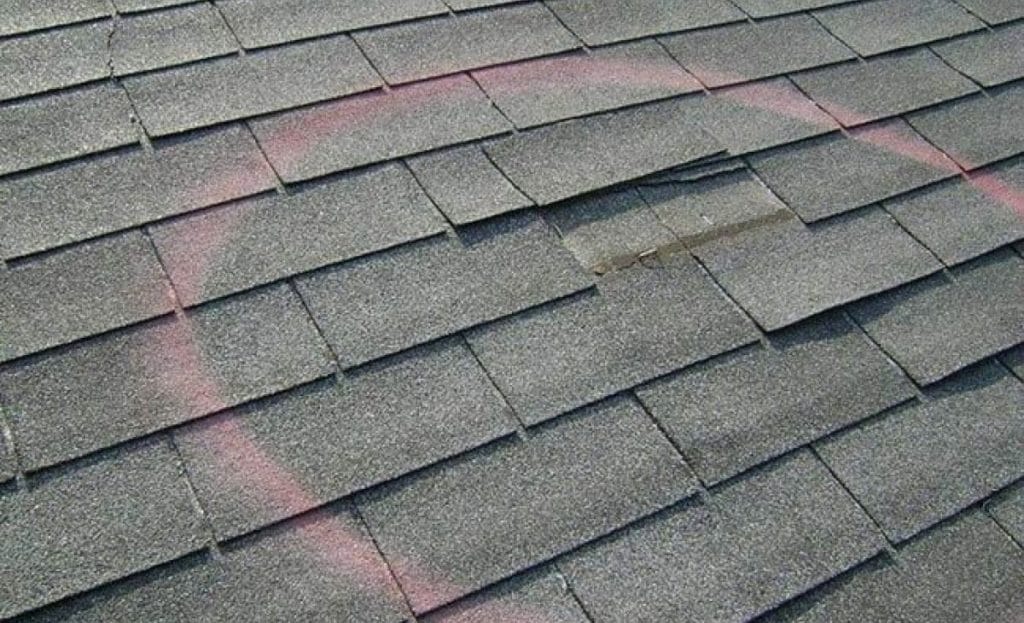
Pay particular attention to valleys where two roof planes meet. These areas handle the highest concentration of water flow and are especially susceptible to ice dam damage. If you see shingles that appear torn, buckled, or shifted out of alignment in the valleys, schedule a professional inspection before the spring rains arrive.
Clean Gutters and Downspouts
After a WNY winter, gutters are typically filled with granules from the shingles, leaf debris from the previous fall, and sometimes ice dam residue. Clogged gutters prevent water from draining off the roof properly, which leads to overflow that can damage fascia boards, soffits, and even the foundation. Clear all gutters and flush downspouts with a hose to confirm water flows freely through the entire drainage system.
Check Attic Ventilation
While you are thinking about the roof, check the attic space for signs of moisture problems. Look for water stains on the underside of the roof deck, mold or mildew on rafters and sheathing, and any daylight visible through the roof surface. Also verify that soffit vents are not blocked by insulation that may have shifted during the winter. Proper attic ventilation prevents moisture buildup that leads to premature shingle deterioration and ice dam formation.
Summer Roof Maintenance
Look for Heat-Related Issues
Buffalo and Western New York summers bring high humidity and temperatures that can reach into the nineties. Heat accelerates the aging of asphalt shingles, particularly on south-facing and west-facing roof slopes that receive the most direct sun exposure. Look for shingles that are curling at the edges, blistering on the surface, or showing significant color fading compared to less exposed areas. These are signs that the shingles are reaching the end of their effective lifespan.
Trim Overhanging Branches
Summer is the ideal time to trim tree branches that overhang your roof. Branches that touch or scrape the roof surface during wind abrade the shingle granules and create channels for moss and algae growth. Overhanging limbs also drop leaves, seeds, and debris onto the roof and into gutters, contributing to drainage problems. As a general rule, maintain at least six feet of clearance between tree branches and the roof surface.
Check for Algae and Moss
If you notice dark streaks or green patches on your roof, you are looking at algae or moss growth. While algae is primarily a cosmetic issue, moss can actually damage shingles by lifting edges and holding moisture against the surface. Do not attempt to power wash these growths off your roof, as high-pressure water strips the protective granules from shingles and can void your warranty. If cleaning is needed, soft washing with a manufacturer-approved solution is the only recommended approach.
Fall Roof Maintenance
Prepare for Winter
Fall maintenance in Western New York is all about preparing for what is coming. Before the first snowfall, make sure your roof is in the best possible condition to handle months of heavy snow, ice formation, and freeze-thaw cycling. This means completing any repairs identified during your spring or summer inspections before cold weather makes the work more difficult and expensive.
Clean Gutters Again
After the leaves have finished falling, clean your gutters a second time. Leaf-clogged gutters in winter are a primary cause of ice dams. When water cannot drain through the gutter system, it backs up at the eave, freezes, and creates ice dams that force water under the shingles and into the building. In the Buffalo area, where lake-effect snow events can dump feet of snow in a single storm, clear gutters are essential for preventing ice dam damage.
Inspect Flashing and Sealants
Check the flashing and caulking around chimneys, vent pipes, skylights, and any other roof penetrations. These transition points are where most leaks originate. Sealants dry out and crack over time, and flashing can separate from surfaces due to thermal expansion and contraction. Resealing or repairing flashing in the fall is far easier and less expensive than dealing with leaks during a January snowstorm.
Winter Roof Maintenance
Monitor Snow Load
Western New York homes are built to handle significant snow loads, but extreme lake-effect events can push roofs beyond their design capacity. As a general guideline, fresh snow weighs about one to two pounds per square foot per inch of depth, while packed or wet snow can weigh five pounds or more. If snow accumulation on your roof exceeds two feet of packed snow, or if you notice doors sticking or cracking sounds from the attic, consider having the snow removed by a professional crew.
Address Ice Dams Promptly
Ice dams form when heat escaping from the living space warms the roof deck, melting snow from below. The meltwater runs down the roof and refreezes at the colder eaves, creating a dam that traps water behind it. This trapped water can work its way under shingles and into the building. The long-term solution for ice dams is proper attic insulation and ventilation. In the short term, having a professional remove the ice dam and the snow feeding it prevents active water damage.
Avoid DIY Roof Work in Winter
Resist the temptation to climb onto your roof during winter to inspect damage or clear snow yourself. Icy, snow-covered roofs are extremely dangerous even for experienced professionals. Falls from residential roofs are among the most common causes of serious injury during winter months. If you suspect a problem, call a professional roofing contractor with the proper safety equipment and experience to work on roofs in winter conditions.
When to Call a Professional
Not every roof maintenance task requires a professional, but certain situations demand expert assessment. Schedule a professional inspection if you notice active leaks or interior water stains, sagging or dipping in the roofline, large areas of missing or damaged shingles, significant granule accumulation in your gutters, moss or algae growth covering large sections of the roof, or if your roof is approaching 20 years of age.
AVA Roofing & Siding provides free roof inspections for homeowners across the Buffalo and Western New York region. Our project managers identify issues, explain your options, and provide detailed written estimates so you can make informed decisions about your roof’s care.
Frequently Asked Questions About Roof Maintenance
At minimum, inspect your roof visually from the ground twice per year, once in spring and once in fall. You should also inspect after any significant storm with high winds, hail, or heavy snow. A professional roofing inspection every two to three years provides a more thorough assessment that catches issues not visible from the ground.
Many roof maintenance tasks can be handled by homeowners, including gutter cleaning, visual inspections from the ground, trimming overhanging branches, and checking attic ventilation. However, any work that requires actually getting on the roof should be left to professionals with proper safety equipment. Walking on a roof incorrectly can damage shingles and puts you at risk for falls.
Basic roof maintenance such as gutter cleaning typically costs one hundred fifty to three hundred dollars per visit. A professional roof inspection usually costs one hundred fifty to three hundred dollars as a standalone service, though many contractors offer free inspections when evaluating potential repair or replacement work. These costs are minimal compared to the thousands of dollars that preventable roof repairs can cost.
Ice dams are the single most common cause of roof damage in the Buffalo area. The combination of heavy snowfall, temperature fluctuations, and older homes with inadequate attic insulation creates ideal conditions for ice dam formation. Proper attic insulation and ventilation, combined with regular gutter maintenance, are the most effective preventive measures.
If damage is limited to a small area and the rest of the roof is in good condition, repair is usually the right call. If the roof is showing widespread signs of aging such as curling shingles, significant granule loss, or multiple leak points, replacement is the better long-term investment. A professional assessment helps determine which approach makes the most financial sense for your situation.
Yes, consistently. A well-maintained roof typically lasts five to ten years longer than a neglected one. Catching small issues like lifted flashing, minor leaks, or clogged drainage before they escalate prevents the secondary damage that leads to premature failure. The investment in regular maintenance pays for itself many times over by delaying the major cost of a full roof replacement.
Ready to give your roof the attention it deserves? Contact AVA Roofing & Siding at 716-343-7663 for a free roof inspection. Our team will evaluate your roof’s condition and recommend the right maintenance plan to protect your home for years to come.