

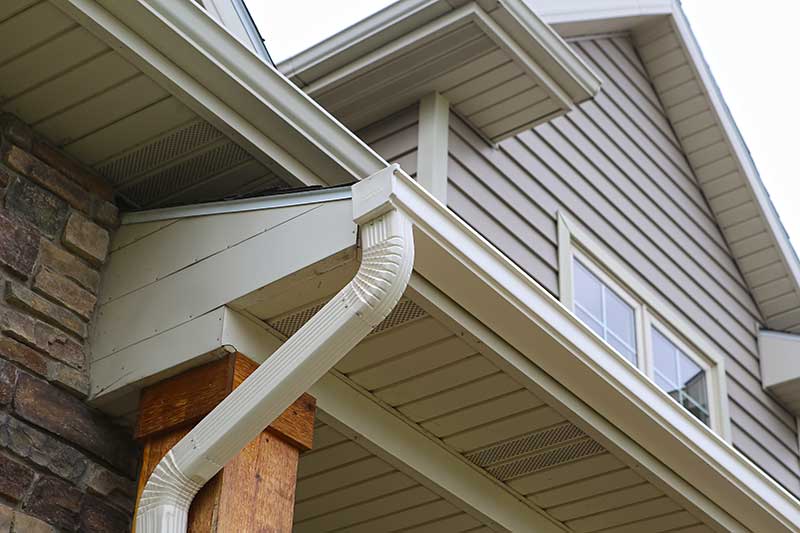
Seamless Gutters and Guards: Protecting Your WNY Home Before Fall
Summer in Western New York is the calm before the storm. The lake effect snow is months away, the gutters are quiet, and water management is probably the last thing on your mind. But that is exactly why summer is the smartest time to think about it. The work you do now, while the weather is dry and contractors can take their time, is what protects your home when the leaves fall and the first freeze arrives.
Gutters are one of the most overlooked parts of a home, right up until they fail. When they clog, sag, or leak, water stops going where it should and starts going where it should not: down your siding, into your foundation, and behind your fascia. In our climate, failing gutters also feed the ice dams that damage so many Buffalo area roofs each winter. The good news is that a well-designed gutter system, especially seamless gutters paired with quality guards, can prevent most of these problems before they start.
At AVA Roofing & Siding, we have been installing and servicing gutter systems across Tonawanda, Kenmore, North Tonawanda, Amherst, and the wider Western New York metro since 2006. This guide explains how seamless gutters and gutter guards work, why they matter so much in our climate, and how to get your home ready before fall arrives.
Why Gutters Matter More in Western New York
In a mild, dry climate, a homeowner can get away with mediocre gutters for years. Here, you cannot. Our region combines heavy rain, falling leaves, and one of the snowiest winters in the country, with some areas seeing 95 or more inches of lake effect snow. Add in the constant freeze-thaw cycling between December and March, and you have a recipe that exposes any weakness in a gutter system fast.
Gutters have one job: collect water from the roof and carry it safely away from the house. When they do that well, they protect your roof edge, fascia, siding, foundation, and landscaping all at once. When they fail, the damage compounds. Overflowing water rots fascia boards, stains siding, pools against the foundation, and seeps into basements. In winter, clogged or undersized gutters trap snowmelt that refreezes into ice dams along the eaves, which then back water up under your shingles. A surprising amount of winter roof damage in the Buffalo area traces directly back to a gutter problem that started in the fall.
What Makes Seamless Gutters Different
Most older homes in our area have sectional gutters, which are short pieces of gutter joined together with seams and connectors along their length. Those seams are the weak point. Over time they loosen, separate, and leak, especially after years of expansion and contraction through our temperature swings. Every seam is a potential failure point and a place for debris to catch.
Seamless gutters are different. They are custom formed from a single continuous length of aluminum, cut to fit your home on site, with no joints along the runs. The only connections are at the corners and downspouts. Here is why that matters for a WNY home.
Fewer Leaks
With no seams running the length of your gutters, there are far fewer places for water to escape. That means less leaking, less fascia rot, and less staining on your siding over the life of the system.
Better Performance in Freeze-Thaw
Seams are the first thing to fail when water freezes, expands, and pries at the joints all winter. Eliminating those seams removes the most common freeze-thaw failure point, so seamless gutters hold up better through our long Western New York winters.
Less Debris Buildup
Seams and connectors give leaves and grit something to snag on. A smooth, continuous interior lets water and debris flow more freely toward the downspouts, which reduces clogs.
A Cleaner Look
Because they are custom fit to your home with no visible joints, seamless gutters give a cleaner, more finished appearance that suits the look of most homes in our neighborhoods.
The Case for Gutter Guards
Even the best seamless gutters still need to keep debris out to work properly. That is where gutter guards come in. Guards are covers or screens installed over your gutters that let water in while keeping leaves, pine needles, and roof grit out. In a region with mature trees and heavy seasonal leaf fall, they can dramatically cut down on the maintenance and risk that come with clogged gutters.
Here is what quality gutter guards do for a Western New York home:
- Reduce how often you need to clean your gutters, which also means less time on a ladder during cold, wet weather.
- Keep water flowing freely through fall, when leaf drop would otherwise clog open gutters fastest.
- Help prevent the clogs that trap snowmelt and contribute to ice dams in winter.
- Keep debris out of downspouts, so water actually reaches the ground and away from your foundation.
Guards are not a magic fix that ends all maintenance forever, and any company that promises that is overselling. Even with guards, an occasional check makes sense. But for most homeowners here, especially those with trees near the house or two-story rooflines that are hard to reach, quality guards are a worthwhile investment that pays off every fall and winter.
Seamless Gutters and Guards: A Quick Comparison
| Feature | Standard Sectional Gutters | Seamless Gutters With Guards |
|---|---|---|
| Leak points | Many seams along each run | Corners and downspouts only |
| Clog frequency | High, especially in fall | Much lower with guards |
| Freeze-thaw durability | Seams loosen and fail over time | No length seams to fail |
| Maintenance needs | Frequent cleaning required | Occasional checks |
| Ice dam contribution risk | Higher when clogged | Lower with free-flowing water |
Why Summer Is the Right Time to Act
Timing matters with gutter work. Waiting until the leaves are already falling, or worse, until the first ice dam appears, puts you at the back of a long line during the busiest, most weather-dependent stretch of the year. Summer gives you several advantages.
The dry, warm weather makes for clean, careful installation. Contractors have more availability before the fall rush. And most importantly, getting your gutters and guards sorted now means your home is fully ready the moment leaf drop and the first freeze arrive. You are protecting the home before the season that tests it, not scrambling to react after damage has already started.
Signs Your Gutters Need Attention
Not sure whether your current gutters are up to the job? Walk around your home and look for these warning signs:
- Gutters that sag, pull away from the fascia, or have visible gaps at the seams.
- Water marks or rot on the fascia boards behind the gutters.
- Staining or streaking on the siding below the gutters.
- Water pooling near the foundation or a damp basement after heavy rain.
- Overflowing gutters during storms, which often means clogs or undersized runs.
- Recurring ice dams along the eaves each winter.
If you see several of these, your gutter system is likely working against you rather than for you, and fall is the worst time to discover it. An assessment now lets you fix the problem on your schedule.
DIY Maintenance vs. When to Call a Professional
We believe in honest advice, so let us be clear about what you can handle yourself and what is worth a professional. Routine gutter cleaning on a single-story home, done safely from a stable ladder, is a reasonable do-it-yourself task for many homeowners. Clearing leaves and flushing downspouts a couple of times a year is good basic maintenance.
Where the line gets crossed is anything involving installation, repair, or height. Installing seamless gutters requires on-site forming equipment and precise pitch and fastening, which is not a DIY project. The same goes for gutter guards, fascia repair, and any work on a two-story home or a steep roofline, where the fall risk simply is not worth it. If your gutters are leaking, sagging, or feeding ice dams, those are professional jobs. Knowing your limits here protects both your home and your safety.
Why Choose AVA for Your Gutter Project
Gutters are part of a larger system that includes your roof, fascia, and attic ventilation, and they perform best when someone looks at the whole picture rather than just the gutters in isolation. AVA Roofing & Siding is a family-owned company founded in 2006, with deep experience in exactly the conditions Western New York homes face. We understand how gutters, ice dams, and roof health connect in our climate, and we install seamless gutter systems and guards built to handle our snow and freeze-thaw reality.
As an EPA Lead-Safe certified contractor, we work carefully on older Buffalo and Tonawanda homes, and we bring the same standards to every exterior project. Our goal is not to upsell you. It is to give you a system that protects your home and a clear, honest assessment of what your house actually needs.
Get Your Home Ready Before Fall
Gutters rarely fail on a sunny summer day. They fail in the middle of a fall downpour or under the weight of January ice, when the cost and stress of repair are highest. A small, planned investment now in seamless gutters and quality guards is one of the most effective ways to protect your roof, foundation, and siding through everything a Western New York winter sends your way.
If your gutters are aging, leaking, or simply not keeping up, summer is the time to fix it. Contact AVA Roofing & Siding for a free gutter assessment and quote anywhere in the Buffalo, Tonawanda, and Western New York area, and head into fall with your home fully protected.
Frequently Asked Questions
Are seamless gutters worth it for a Western New York home?
Yes, for most homes here they are. Seamless gutters have no joints along their length, so there are far fewer places to leak and far fewer weak points to fail during our freeze-thaw winters. They also clog less and look cleaner. Given how hard our climate is on gutters, the durability and lower maintenance usually justify the investment over sectional gutters.
Do gutter guards really stop ice dams?
Gutter guards do not stop ice dams on their own, but they help. By keeping gutters clear of leaves and debris, guards let snowmelt flow freely instead of pooling and refreezing in clogged gutters, which is one factor that contributes to ice dams. The biggest ice dam factors are attic insulation and ventilation, so guards work best as part of a complete approach to winter roof health.
When is the best time to install gutters in Western New York?
Summer through early fall is ideal. Dry, warm weather makes for a clean, careful installation, contractors have more availability before the fall rush, and your home is fully ready before leaf drop and the first freeze arrive. Installing in summer means you are protecting your home ahead of the season that tests it, rather than reacting after damage has already started.
How often do I need to clean gutters that have guards?
Much less often than open gutters, but not never. Quality guards keep out most leaves and debris, so many homeowners go from cleaning several times a year to just an occasional check. We recommend a quick inspection once or twice a year, especially after heavy leaf fall, to confirm everything is flowing freely. Any company promising zero maintenance forever is overselling.
Can I install seamless gutters myself?
No. Seamless gutters are custom formed on site from a continuous length of aluminum using specialized equipment, then hung with precise pitch and fastening. That is not a do-it-yourself task. Routine cleaning of existing gutters on a single-story home can be done safely by a homeowner, but installation, repair, and any work at height should be handled by a professional for both quality and safety reasons.
What happens if I ignore failing gutters before winter?
Failing gutters before winter can lead to serious, expensive damage. Overflowing or clogged gutters let water rot fascia, stain siding, and pool against the foundation, and they trap snowmelt that refreezes into ice dams along the eaves. Those ice dams back water up under your shingles and can cause leaks inside the home. Addressing gutter problems in summer or early fall prevents most of this winter damage.
