How Roof and Attic Ventilation Protects Your Roof Through Western New York Winters
Most homeowners think about their roof in terms of what they can see: the shingles, the flashing, the gutters. But one of the most important factors in how long a roof lasts is invisible from the curb. It is the flow of air through the attic and roof system. In a Western New York climate, proper roof and attic ventilation is not a minor detail. It is one of the main things standing between your roof and ice dams, trapped moisture, and an early replacement.
This guide explains how roof ventilation works, why it matters so much through a Buffalo-area winter, and the signs that a home’s ventilation is not doing its job. AVA Roofing & Siding has worked on roofs across Tonawanda and the greater Buffalo area since 2006, and ventilation problems are behind more roof trouble than most homeowners realize.
How Roof Ventilation Works
A properly ventilated roof system moves air continuously through the attic. Cooler outside air enters low, typically through intake vents in the soffits along the eaves, and warmer air exits high, through exhaust vents at or near the ridge. That steady flow, intake low and exhaust high, keeps the attic close to the outside temperature and carries moisture out of the space. It sounds simple, and it is, but when it is missing or unbalanced, the consequences in a Western New York winter are serious.
Ventilation and Ice Dams
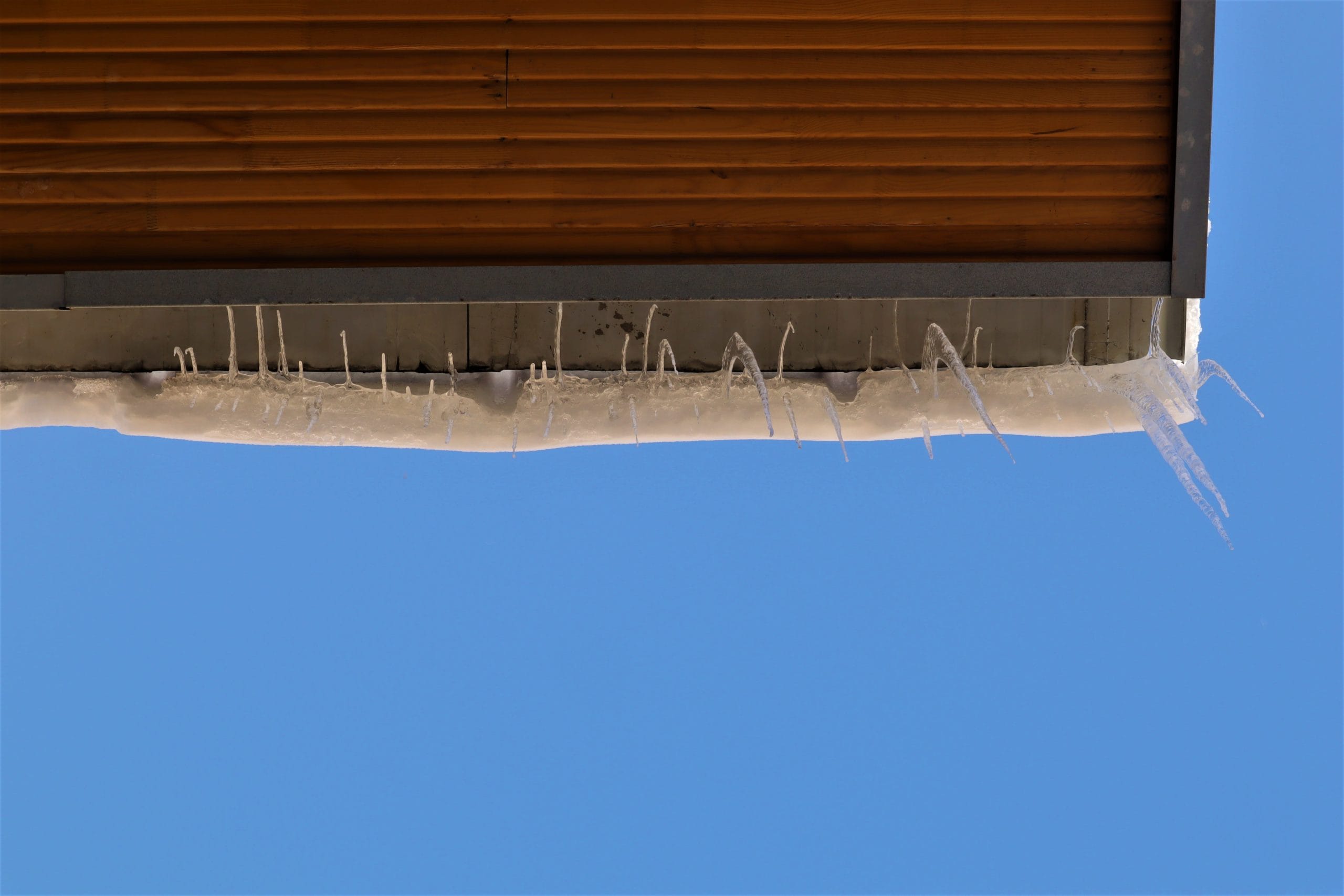
The most visible winter consequence of poor ventilation is the ice dam. The chain of events runs like this. When an attic is too warm, often from a combination of escaping household heat and poor ventilation, it warms the underside of the roof deck. Snow on the warmed roof melts, even when the air outside is below freezing. That meltwater runs down the roof until it reaches the cold overhang at the eaves, where it refreezes into a ridge of ice. That ridge is the dam. As more snow melts above it, water backs up behind the dam, pools, and works its way under the shingles and into the home.
Proper ventilation is one of the core defenses against ice dams. By keeping the roof deck cold and close to the outside temperature, good airflow prevents the uneven melting that starts the whole cycle. A roof that stays uniformly cold sheds snow without forming the dam in the first place. In a region that sees the snowfall Western New York does, that protection is significant.
Ventilation and Moisture
Winter air inside a home carries a surprising amount of moisture, from cooking, showers, and simply breathing. That warm, moist air rises and, in a poorly sealed home, finds its way into the attic. If ventilation is inadequate, the moisture has nowhere to go. It condenses on the cold underside of the roof deck, where over time it leads to damp insulation, wood rot, and mold. A homeowner who finds frost on the attic sheathing in winter, or damp insulation, is very often looking at a ventilation problem rather than a roof leak.
Ventilation and Roof Lifespan
Heat is hard on a roof in summer, too. An underventilated attic traps heat, and an excessively hot roof deck can age asphalt shingles prematurely, shortening the life of the entire roof. Ventilation is a year-round system. In winter it fights ice dams and moisture; in summer it releases trapped heat. A roof that breathes properly simply lasts longer, which makes ventilation one of the highest-value, lowest-visibility parts of the whole roof system. For a homeowner, that also makes it one of the most cost-effective investments in a roof, since improving airflow is far less expensive than replacing a roof that aged out early.
Signs Your Roof Ventilation May Be Inadequate
A few signs point toward a ventilation problem worth a professional look.
- Ice dams forming along the eaves each winter.
- Frost or moisture on the underside of the roof deck or attic sheathing.
- Damp, matted, or deteriorating attic insulation.
- An attic that feels extremely hot in summer or unusually warm in winter.
- Musty odors or visible mold in the attic.
- Shingles that seem to be aging faster than expected.
Getting Ventilation Right
Effective roof ventilation is about balance. Intake and exhaust have to be matched, and both have to be unobstructed. A common problem is intake vents in the soffits that have been blocked by insulation, which strangles the airflow no matter how much exhaust venting exists. Another is a mix of vent types that work against each other. Getting it right is not guesswork; it follows from the size of the attic and the design of the roof.
This is also why ventilation is best evaluated by a professional, ideally as part of any roof inspection or roof replacement. When a roof is being replaced, it is the natural moment to correct a ventilation imbalance, since the system can be designed properly from the start. AVA Roofing & Siding is a family-owned company with manufacturer certifications across major roofing brands, and assessing ventilation is a standard part of how the team evaluates a Western New York roof.
Ventilation Works With the Rest of the Roof System
Ventilation does not work in isolation. It is one part of a roof system that also includes insulation and air sealing, and the three are connected. Ventilation moves air through the attic, but if warm household air is leaking up into the attic in the first place, ventilation is fighting a constant uphill battle. Good attic insulation and air sealing reduce how much heat reaches the attic, and ventilation then carries away what does. The two work together: insulation keeps heat out of the attic, ventilation removes the rest, and together they keep the roof deck cold.
This is why a roofing professional looks at the whole picture rather than just adding vents. Simply cutting in more exhaust vents on a roof with blocked soffit intake, or with major air leaks from the living space, does not solve the problem and can sometimes make it worse. A proper assessment considers intake and exhaust balance, the state of the insulation, and whether household air is escaping into the attic. Addressing ventilation as part of the whole roof system is what actually delivers the ice dam protection and longer roof life that good airflow is meant to provide.
The Bottom Line
Roof and attic ventilation is one of the most underrated parts of a roof, and in Western New York it is one of the most important. Good airflow keeps the roof deck cold, prevents the ice dams that drive water into the home, carries winter moisture out of the attic, and extends the life of the shingles. If your home forms ice dams every winter or shows signs of attic moisture, ventilation is one of the first things worth checking. AVA Roofing & Siding can evaluate your roof’s ventilation and recommend what, if anything, needs to change.
Frequently Asked Questions
Why is roof ventilation important in Western New York?
In a Western New York winter, proper roof ventilation keeps the roof deck cold, which prevents the uneven snowmelt that causes ice dams. It also carries household moisture out of the attic before it can condense and cause rot or mold. Year-round, good ventilation extends the life of the roof.
How does roof ventilation prevent ice dams?
Ice dams form when a too-warm attic melts snow on the roof, and that meltwater refreezes at the cold eaves. Proper ventilation keeps the roof deck uniformly cold and close to the outside temperature, which prevents the uneven melting that starts the ice dam cycle in the first place.
What are the signs of poor attic ventilation?
Common signs include ice dams every winter, frost or moisture on the underside of the roof deck, damp or matted attic insulation, an attic that is extremely hot in summer, musty odors or mold, and shingles that age faster than expected.
Can poor ventilation shorten the life of my roof?
Yes. An underventilated attic traps heat in summer, and an excessively hot roof deck can age asphalt shingles prematurely. Combined with the winter moisture and ice dam damage that poor ventilation allows, inadequate airflow can meaningfully shorten the life of a roof.
How does a roof get proper ventilation?
Effective ventilation balances intake vents low at the soffits with exhaust vents high near the ridge, so air flows continuously through the attic. Both must be unobstructed and properly sized for the attic. Because it depends on the roof’s design, ventilation is best evaluated and corrected by a professional.
Should ventilation be addressed during a roof replacement?
Yes. A roof replacement is the ideal time to correct any ventilation imbalance, because the system can be designed and installed properly from the start. A professional roofer should assess attic ventilation as a standard part of evaluating or replacing a roof.