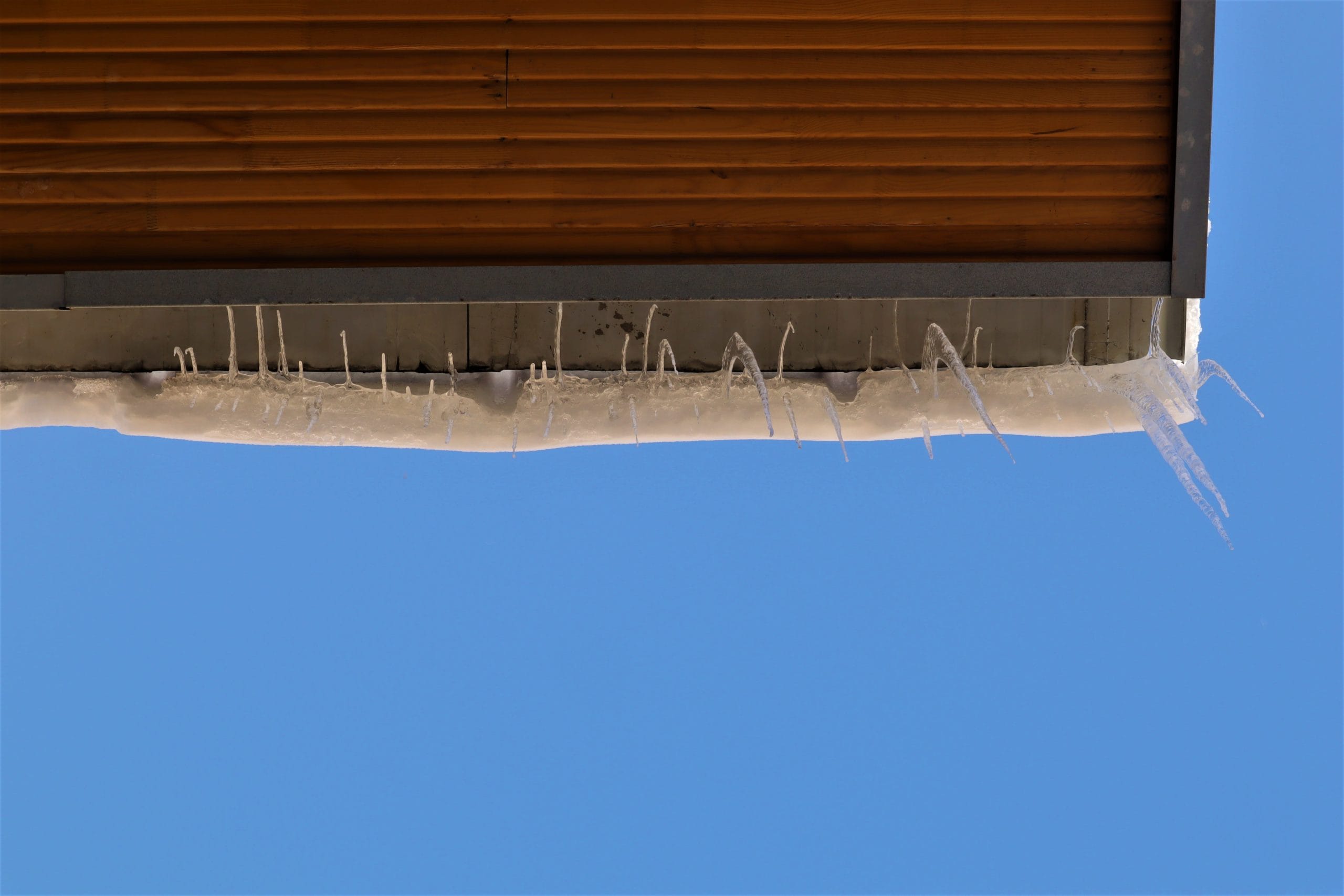
Ice Dam Prevention and Removal: A Buffalo Homeowner’s Guide
If you own a home in the Buffalo area, you already know that heavy snowfall is part of life. What you might not realize is that the snow sitting on your roof can create one of the most damaging winter problems a homeowner can face: ice dams.
Ice dams form along the edges of roofs, trapping melting snow behind a wall of ice. That trapped water has nowhere to go but under your shingles, into your attic, and down your walls. The result is water damage that can cost thousands of dollars to repair, and it often happens without any obvious warning signs until the damage is already done.
This guide covers everything Buffalo-area homeowners need to know about ice dams: what causes them, how to spot them early, proven prevention strategies, and what to do when one forms on your roof.
What Causes Ice Dams on Buffalo Roofs?
Ice dams are fundamentally a heat loss problem. When warm air from your living space escapes into the attic, it heats the roof deck unevenly. Snow on the upper portions of the roof melts, runs down toward the eaves, and refreezes when it reaches the colder overhang that extends past the exterior wall. Over time, this cycle builds a ridge of ice along the edge of the roof.
Once that ridge grows large enough, it acts like a dam. Melting snow pools behind it, and since water always finds the path of least resistance, it seeps under shingles, through the roof deck, and into the structure of your home.
Three factors drive this process:
Inadequate attic insulation. When heat moves freely from living spaces into the attic, the roof stays warm enough to melt snow even during freezing temperatures. Many homes in Tonawanda, Kenmore, and North Tonawanda were built in the 1940s through 1970s with insulation standards that fall far short of today’s building code requirements.
Poor attic ventilation. Even a well-insulated attic needs proper airflow. Soffit vents pull in cold air from the eaves while ridge vents exhaust warm air at the peak. When this system is blocked, restricted, or improperly installed, warm air lingers in the attic and heats the roof surface.
Complex roof geometry. Valleys, dormers, and areas where different roof planes intersect tend to trap snow and create uneven melting patterns. The steep-to-moderate pitch transitions common on many WNY homes are especially prone to ice dam formation.
Buffalo’s lake-effect snow makes all of this worse. The region averages over 95 inches of snowfall per year, and lake-effect bands can dump 12 to 24 inches in a single event. That deep, heavy snow pack acts as insulation on the roof, trapping heat underneath and accelerating the melt cycle that creates ice dams.
How to Identify an Ice Dam Before It Causes Damage
Catching an ice dam early can mean the difference between a quick fix and a major interior restoration project. Here are the signs to watch for:
Visible Signs from the Ground
Thick ice buildup along your roofline. A small amount of ice at the eaves is normal. Ridges that grow to several inches or more than a foot thick indicate an active ice dam.
Icicles forming at the gutters or roof edge. Large icicles are often a symptom of the same conditions that create ice dams. They look dramatic, but the real danger is the ice you cannot see along the roof surface.
Uneven snow melt patterns. If portions of your roof are bare while others are still covered, heat is escaping unevenly through the attic, a classic precursor to ice dam formation.
Interior Warning Signs
Water stains or damp spots on ceilings and walls, particularly in upper-floor rooms or near exterior walls. Peeling paint or bubbling wallpaper in rooms directly below the attic. Moisture or frost in the attic, especially on the underside of the roof deck. A musty smell in upper-floor rooms, which may indicate moisture buildup even before visible staining appears.
If you notice any of these interior signs during or after a heavy snowfall, the damage may already be in progress. Getting a professional assessment quickly is critical to limiting the scope of repairs.
Proven Ice Dam Prevention Strategies
Prevention is always more cost-effective than emergency removal and damage repair. The most reliable approach combines insulation upgrades, ventilation improvements, and targeted weatherproofing.
Attic Insulation: The Foundation of Prevention
Current energy codes recommend R-49 attic insulation for homes in the Buffalo climate zone. Many older homes in communities like Kenmore, the Town of Tonawanda, and Cheektowaga have R-19 or less, roughly a third of what’s needed to prevent heat transfer through the roof.
Adding blown-in cellulose or fiberglass insulation to bring your attic up to current standards is the single most impactful step you can take. It reduces heat loss, lowers energy bills, and eliminates the primary driver of ice dam formation. Pay special attention to areas around recessed lights, attic hatches, plumbing stacks, and ductwork, as these are common bypass points where warm air leaks into the attic.
Ventilation: Keeping the Attic Cold
Proper ventilation works hand-in-hand with insulation. The goal is to keep the attic temperature as close to the outdoor temperature as possible so that snow melts uniformly (if at all) rather than from the top down.
A balanced ventilation system uses soffit vents at the eaves paired with a ridge vent or roof-mounted exhaust vents at the peak. The most common problem in WNY homes is blocked soffit vents, either insulation has been pushed up against them during a retrofit, or they were never properly installed in the first place. Baffles between the rafters ensure insulation stays clear of the soffits and maintains a continuous airflow channel.
Ice and Water Shield Membrane
For roof replacements, ice and water shield is a self-adhering membrane installed along the eaves and in valleys before shingles are laid. It acts as a waterproof barrier that prevents leaks even when ice dams force water under the shingles. New York State building code requires ice and water shield along the first 24 inches of roof from the eave edge, but in the Buffalo area, extending coverage to at least 3 to 6 feet up from the eave provides much better protection given our snow loads.
Heat Cables: A Supplemental Tool
Heat cables (also called heat tape) are electrical cables installed in a zigzag pattern along the roof edge and through gutters. They create channels for meltwater to drain rather than pooling behind an ice dam. Heat cables are not a substitute for proper insulation and ventilation. They are a supplemental measure best suited for problem areas on roofs where other solutions are not practical, such as over entryways, in valleys, or around skylights.
Safe Ice Dam Removal: Why Professional Service Matters
When an ice dam has already formed, the priority is removing it before water intrusion causes structural damage. This is where things get dangerous for homeowners attempting DIY solutions.
Methods to Avoid
Chipping or hacking with tools. Hammers, axes, ice picks, and chisels damage shingles, crack flashing, and can puncture the roof deck. The cost of repairing tool damage often exceeds the cost of professional removal.
Pressure washers or hot water from the ground. Water sprayed onto a frozen roof refreezes quickly, compounding the problem and creating fall hazards on the ground below.
Rock salt or chemical deicers directly on the roof. Salt corrodes metal flashing and gutters, and runoff can damage landscaping and stain siding.
What Professional Removal Looks Like
Professional ice dam removal typically uses low-pressure steam to melt the ice without damaging roofing materials. Steam equipment operates at temperatures high enough to cut through ice quickly but at pressures low enough to leave shingles, flashing, and membranes intact.
A trained crew can also assess the roof condition during removal, identifying areas where water may have already penetrated and flagging them for follow-up inspection. This dual benefit, removing the immediate threat while documenting potential damage, saves homeowners from discovering problems months later when the real cost of remediation has grown.
The Connection Between Ice Dams and Long-Term Roof Damage
A single ice dam event might seem like a winter inconvenience, but repeated cycles cause compounding damage:
Shingle deterioration. Water repeatedly freezing and thawing under shingle tabs loosens the adhesive bond, lifts tabs, and exposes the roof deck to further moisture intrusion.
Rotted decking and fascia. Moisture that penetrates the roof deck leads to wood rot in the plywood sheathing and the fascia boards along the roof edge. This rot is often invisible until the next roof replacement.
Mold growth in attic spaces. Persistent moisture in the attic creates ideal conditions for mold, which can spread to insulation, framing, and even into living spaces through HVAC systems.
Gutter damage. The weight of ice dams can pull gutters away from the fascia, crack gutter seams, and bend hangers beyond repair.
If your home has experienced ice dams in past years, a roof inspection is the most practical next step. A thorough evaluation of the shingles, decking, flashing, and attic conditions reveals whether damage has been accumulating beneath the surface and identifies exactly what corrective action will prevent it from happening again.
Frequently Asked Questions About Ice Dams
Can I just knock icicles off to prevent ice dams?
Icicles are a symptom, not the cause. Removing them does not address the ice ridge forming along the roof surface. Knocking off large icicles can also damage gutters and create a safety hazard for anyone standing below.
Will a metal roof prevent ice dams?
Metal roofing sheds snow more readily than asphalt shingles, which reduces the likelihood of ice dam formation. However, metal roofs are not immune. If the attic insulation and ventilation are inadequate, the same heat-loss dynamics apply regardless of the roofing material.
How much does ice dam prevention cost compared to damage repair?
Insulation and ventilation upgrades typically range from a few hundred to a few thousand dollars depending on the size and condition of the attic. By comparison, repairing water damage from ice dams can run well into five figures. Prevention is almost always the more economical path.
Should I remove snow from my roof to prevent ice dams?
Removing snow from the lower 3 to 4 feet of the roof after heavy snowfalls can reduce ice dam risk by eliminating the snow that would otherwise melt and refreeze at the eave. A roof rake with an extended handle is the safest tool for this from the ground. For anything beyond what you can reach safely, professional roof snow removal is the appropriate solution.
Does homeowners insurance cover ice dam damage?
Most standard homeowners policies cover sudden water damage from ice dams, including damage to interior walls, ceilings, and belongings. However, coverage typically does not extend to the roof repairs needed to fix the underlying cause, and claims can be denied if the insurer determines the damage resulted from deferred maintenance. Check your specific policy or speak with your agent for clarity on your coverage.
Can heat cables prevent ice dams?
Heat cables can reduce ice dam formation along eaves and in gutters, but they are not a complete solution on their own. They address the symptom by melting ice at the roof edge, but they do not fix the underlying cause: heat loss from the attic. Heat cables also increase energy costs and require maintenance. They work best as a supplemental measure alongside proper attic insulation and ventilation, not as a standalone fix.
Protect Your Home Before the Next Heavy Snowfall
Ice dams are preventable, but once they form, they demand immediate attention. Whether you need a roof inspection to assess past damage, professional ice dam removal, or a full roof replacement with proper ice and water shield protection, AVA Roofing & Siding has the experience and equipment to handle it.
Call AVA Roofing & Siding today or schedule an appointment online to discuss your roof’s winter readiness. Serving Tonawanda, Kenmore, North Tonawanda, Amherst, Williamsville, Cheektowaga, and the greater Buffalo area.