Roof Repair vs. Replacement: The Complete Decision Guide for Buffalo Homeowners
You’ve noticed missing shingles, a water stain on the ceiling, or maybe your roof is just getting old. Now you’re facing the question every homeowner dreads: should I repair this roof or replace the whole thing?
It’s not an easy call. Repairs are cheaper upfront but might just delay the inevitable. A full replacement is a major investment—but it could save you thousands in emergency repairs and water damage down the road.
This guide breaks down exactly when roof repair makes sense, when replacement is the smarter choice, and how to avoid the most expensive mistake homeowners make: waiting too long to decide.
The 5-Minute Decision Framework
Before diving into the details, here’s a quick way to gauge where you stand:
| Likely Repair ✓ | Likely Replace ✗ |
| Roof is under 15 years old | Roof is 20+ years old |
| Damage limited to one area | Damage across multiple areas |
| First repair needed | Multiple repairs in past few years |
| Shingles still lay flat | Widespread curling or buckling |
| No visible sagging | Sagging or soft spots visible |
If you checked mostly items in the “Likely Repair” column, you’re probably looking at a roof repair. If your situation matches the “Likely Replace” column—especially if your roof is over 15 years old—it’s time to seriously consider a roof replacement.
When Roof Repair Is the Right Call
Roof repair is the smart choice when the damage is localized and your roof still has significant life left. Here are the scenarios where repair makes financial sense:
Minor Storm Damage
Buffalo gets its share of severe weather—high winds, hail, and heavy snow loads. If a storm knocked off a few shingles or damaged a small section of your roof, repair is usually the answer. A professional can replace the damaged shingles and check the underlying structure for less than $500 in most cases.
Isolated Leaks
A leak doesn’t automatically mean you need a new roof. If water is getting in at one specific location—around a vent pipe, chimney flashing, or a single damaged area—targeted repair can solve the problem. The key is catching it early before water damage spreads.
Your Roof Is Under 15 Years Old
Architectural shingles (the standard for most Western New York homes) typically last 20-30 years with proper maintenance. If your roof is younger than 15 and the damage is limited, repair almost always makes more sense than replacement.
The Problem Is Limited to One Slope
Roofs don’t age evenly. South-facing slopes take more UV damage. North-facing slopes in Buffalo can develop moss and algae issues. If the problem is confined to one section—say, less than 30% of your total roof area—section repair might buy you several more years.
What Repairs Typically Cost in Buffalo
| Repair Type | Typical Cost Range |
| Minor leak repair | $250 – $400 |
| Shingle replacement (small area) | $250 – $500 |
| Flashing repair | $250 – $600 |
| Vent pipe boot replacement | $250+ |
| Section repair (one slope) | $1,000 – $3,000 |
| Storm damage repair (moderate) | $500 – $1,500 |
These estimates assume your roof structure is sound. If a roofer finds rotted decking or damaged rafters during inspection, costs increase significantly—and that’s often a sign replacement may be the better investment.
When Replacement Is the Smarter Investment
Sometimes, repairing a roof is like putting premium gas in a car with a blown engine. Here’s when replacement makes more financial sense:
Your Roof Is Approaching 20 Years
Most asphalt shingle roofs in Buffalo last 20-25 years. By year 18-20, you’re often better off replacing now rather than paying for repairs that only buy you a few more years. A roof professional with experience in Western New York’s climate can assess whether your specific roof is aging normally or prematurely.
Damage Covers More Than 30% of Your Roof
When damage is widespread—whether from a major storm, years of neglect, or general aging—the economics shift toward replacement. Patching a third or more of your roof often costs 50-70% of what a full replacement would cost, and you’re left with mismatched shingles and no warranty on the old sections.
You’re Seeing These Warning Signs
- Curling or buckling shingles: Shingles curl when they’ve lost their flexibility from age and UV exposure. Once curling starts, it accelerates.
- Granule loss: Check your gutters. If they’re full of granules (the sandpaper-like coating on shingles), your roof is losing its protective layer.
- Multiple leaks in different areas: One leak is a repair. Three leaks in different locations usually means systemic failure.
- Daylight through roof boards: If you can see light from your attic, water can get in just as easily.
- Sagging areas: This indicates structural problems—potentially rotted decking or compromised rafters. Never ignore sagging.
You’ve Already Had Multiple Repairs
There’s a point where repair costs compound. If you’ve spent $2,000-3,000 on repairs in the last few years and problems keep appearing, you’re often better off investing that money in a new roof with a full warranty.
What Buffalo’s Climate Means for Your Roof
Western New York’s weather creates unique challenges that affect the repair-vs-replace decision:
Heavy Snow Loads
Buffalo averages 95 inches of snow annually, with some winters bringing significantly more. This constant freeze-thaw cycle stresses roofing materials. If your roof has been through 15+ Buffalo winters and is showing wear, it may have aged faster than the same roof in a milder climate.
Ice Dam Risk
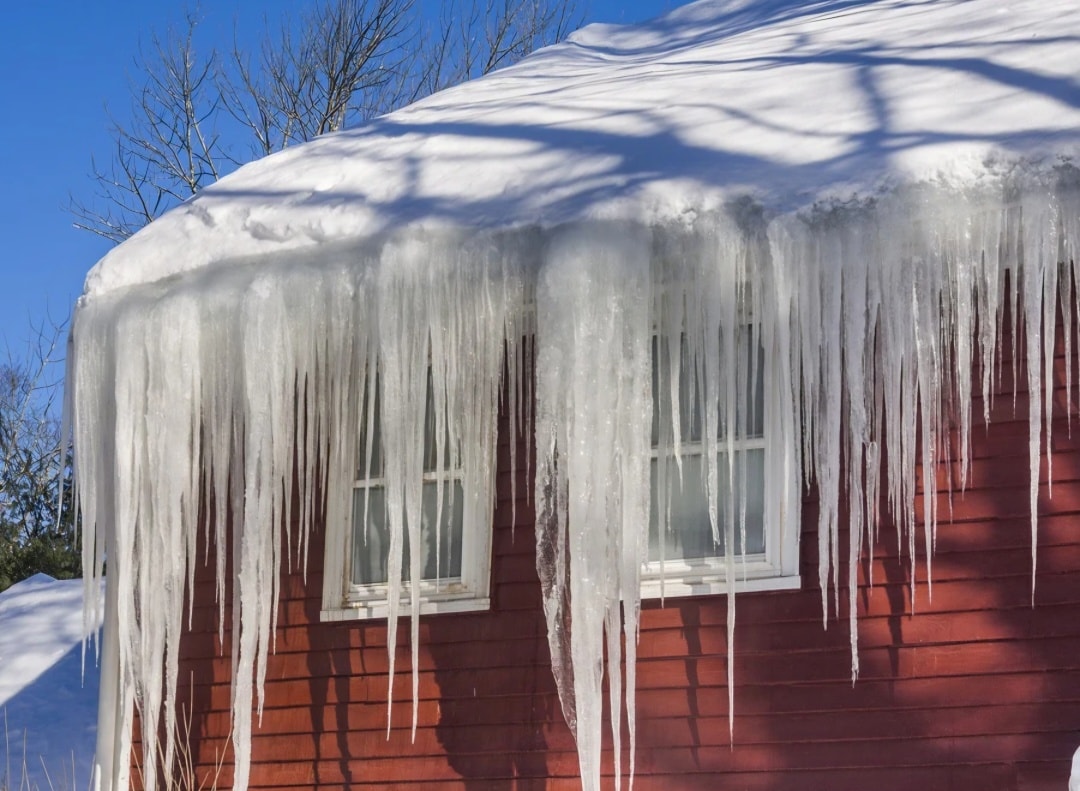
Ice dams—those ridges of ice that form at your roof’s edge—cause more damage to Buffalo-area roofs than many homeowners realize. If your roof has experienced ice dam damage, a roofer should assess whether water has penetrated the decking. Sometimes what looks like a simple leak from an ice dam reveals more extensive damage underneath.
Lake Effect Impact
Homes in the primary lake effect belt (Southtowns, Orchard Park, Hamburg, West Seneca) often see their roofs age 2-3 years faster than homes in Tonawanda or Amherst. If you’re in a heavy snow belt, factor this into your timeline.
What Roof Replacement Actually Costs in Buffalo
Understanding real costs helps you make a better decision. Here’s what Buffalo homeowners typically pay:
| Roof Size | Typical Cost (Asphalt Shingles) |
| 1,000 sq ft (small ranch) | $4,500 – $7,000 |
| 1,500 sq ft (average home) | $7,500 – $10,500 |
| 2,000 sq ft (larger home) | $9,000 – $14,000 |
| 2,500+ sq ft (large/complex) | $11,000 – $18,000+ |
These prices include tear-off of the existing roof, new underlayment, shingles, flashing, and cleanup. Prices can vary based on roof complexity (multiple levels, steep pitch, skylights, chimneys) and any structural repairs needed.
The Hidden Cost of Waiting
Here’s where homeowners often miscalculate: the cost of delaying necessary replacement. A failing roof doesn’t just leak—it can lead to:
- Interior water damage: Drywall, insulation, and ceiling repairs can add $1,000-5,000+
- Mold remediation: If moisture gets into your attic or walls, mold removal typically costs $2,000-10,000
- Structural damage: Rotted decking, rafters, or fascia adds $1,000-5,000+ to your replacement
- Emergency pricing: Waiting until a major leak forces your hand often means paying premium rates for urgent service
Insurance and Roof Replacement: What Buffalo Homeowners Should Know
Your homeowner’s insurance may cover some or all of your roof replacement—but there are important caveats:
What Insurance Typically Covers
Insurance generally covers sudden, accidental damage from covered events: wind, hail, fallen trees, fire. If a storm damaged your roof, you may be able to file a claim. However, insurance does not cover normal wear and tear or “neglect” (waiting too long to address known problems).
The Age Factor
Many insurance policies now include roof age limitations. If your roof is over 15-20 years old, your policy may only cover the depreciated value rather than full replacement cost. Some insurers won’t cover roofs over 25 years old at all. Review your policy or call your agent to understand your coverage.
Working with Your Insurance Company
If you’re filing a claim, have a qualified roofing contractor inspect the damage first. A professional assessment helps ensure nothing is missed in the insurance adjuster’s inspection. Reputable contractors regularly work with insurance companies and can help document damage properly. Be wary of contractors who promise to “get your deductible waived” or make claims that sound too good to be true—these practices are often insurance fraud.
How to Make the Final Decision
Here’s a practical approach to deciding between repair and replacement:
- Get a professional inspection. A qualified roofer can assess your roof’s overall condition, not just the visible damage. Many reputable contractors offer free inspections.
- Ask about remaining lifespan. A good roofer should give you an honest estimate of how many years your roof has left, and whether repairs will extend that meaningfully.
- Get repair AND replacement quotes. Compare both options side by side. If repair costs more than 30% of replacement cost and your roof is over 15 years old, replacement usually makes more sense.
- Consider your timeline. Are you planning to sell within 5 years? A new roof can increase home value and make selling easier. Planning to stay for 20+ years? The long-term economics favor replacement over repeated repairs.
- Factor in warranties. A new roof typically comes with a manufacturer warranty (25-50 years on materials) plus a workmanship warranty from your contractor. Repairs only protect the repaired area.
Frequently Asked Questions
Q: How long does a roof replacement take?
A: Most residential roof replacements in Buffalo take 1-3 days, depending on size and complexity. Weather can extend this timeline, which is why many homeowners schedule replacements during late spring through early fall.
Q: Can I repair just part of my roof?
A: Yes, section repairs are possible. However, new shingles won’t perfectly match aged shingles in color, and you won’t have warranty coverage on the old sections. If one slope needs complete replacement, it may be worth replacing the entire roof for consistency and full warranty protection.
Q: Should I get multiple estimates?
A: Yes, getting 2-3 estimates is standard practice. Compare not just price, but also materials proposed, warranty terms, and how thorough the inspection was. Be cautious of estimates that are dramatically lower than others—this often indicates corners will be cut.
Q: What’s the best time of year to replace a roof in Buffalo?
A: Late spring through early fall (May-October) offers the best conditions. Shingles need warm temperatures to seal properly. That said, experienced Buffalo roofers can work year-round when necessary, and scheduling in the off-season may mean shorter wait times.
Q: How do I know if a roofing contractor is reputable?
A: Look for contractors who are licensed, insured, and have manufacturer certifications (GAF, CertainTeed, Owens Corning). Check their BBB rating and online reviews. Established local companies with years in the Buffalo market have reputations to protect and are more accountable than storm chasers who blow through after major weather events.
Q: Will a new roof increase my home’s value?
A: Yes. Studies consistently show that roof replacement recovers 60-70% of its cost in increased home value. More importantly, a new roof removes a major objection for buyers and can make your home sell faster. An old roof often leads buyers to negotiate down or walk away entirely.
Not sure whether your roof needs repair or replacement? Schedule a free inspection to get an honest assessment of your roof’s condition and a clear recommendation based on what’s actually best for your home—not just the most expensive option.