

February 23, 2026
Skylight Installation: Everything You Need to Know Before Adding Natural Light to Your Home
There is something transformative about natural light flooding into a room from above. A well-placed skylight turns a dim hallway into a bright passage, makes a small bathroom feel twice its size, and brings warmth and openness to any space it touches. Beyond the aesthetic impact, skylights reduce dependence on artificial lighting during daytime hours, improve ventilation when equipped with operable mechanisms, and can meaningfully lower your energy bills.
AVA Roofing & Siding has installed skylights across Western New York for nearly two decades. As a roofing company first, we approach skylight installation from the most important angle: the integrity of your roof. A skylight is a penetration through your home’s primary weather barrier, and how it is installed determines whether it becomes a source of beauty or a source of leaks. Our partnership with Velux, one of the world’s leading skylight manufacturers, gives our customers access to premium products backed by industry-leading warranties.
Benefits of Skylight Installation
Natural Light and Well-Being
Research consistently shows that exposure to natural light improves mood, productivity, and sleep quality. Rooms illuminated by skylights feel more spacious and inviting than those lit entirely by artificial sources. For Western New York homeowners, where winter days are short and overcast skies are common, skylights bring valuable natural light into spaces that might otherwise feel dark and closed-in for months at a time.
Energy Savings
Skylights reduce the need for electric lighting during daytime hours, which can lower electricity costs. Modern skylights with Low-E coatings and argon gas fills also provide excellent insulation, preventing heat loss in winter and heat gain in summer. Solar-powered venting skylights can reduce cooling costs further by allowing hot air to escape from upper floors. The energy savings will not offset the entire cost of installation, but they contribute to the long-term value of the investment.
Improved Ventilation
Operable skylights, also called venting skylights, can be opened to allow fresh air circulation. Because hot air rises naturally, a venting skylight on an upper floor creates a chimney effect that draws warm, stale air upward and out of the home. This is particularly effective in kitchens, bathrooms, and loft spaces where heat and moisture tend to accumulate. In WNY’s humid summers, this natural ventilation can make upper floors significantly more comfortable without relying entirely on air conditioning.
Added Home Value
Skylights are a desirable feature that adds both aesthetic and functional value to a home. They are frequently highlighted in real estate listings and can differentiate your property in a competitive market. Well-installed skylights with quality frames and glazing are viewed as premium upgrades by buyers, particularly in rooms like kitchens, bathrooms, and primary bedrooms where natural light is especially valued.
Types of Skylights
Fixed Skylights
Fixed skylights do not open and are designed purely to admit light. They are the most affordable option and the simplest to install because they require no mechanical components. Fixed skylights are ideal for spaces where additional ventilation is not needed, such as hallways, stairwells, and rooms that already have adequate airflow from windows.
Venting Skylights
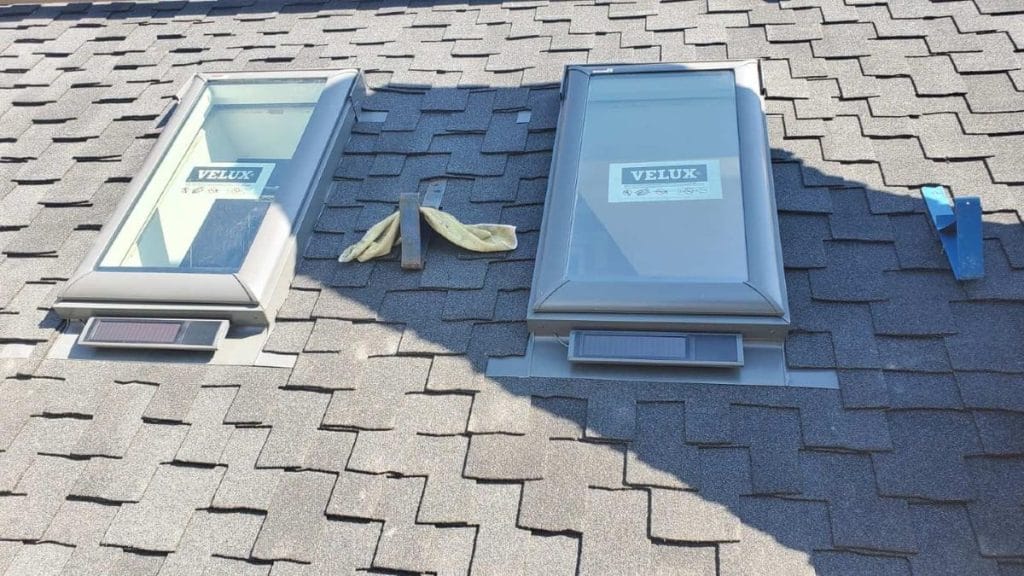
Venting skylights can be opened to allow air flow. Manual venting skylights use a hand crank or push-rod mechanism, while electric and solar-powered models can be operated by remote control or integrated into smart home systems. Solar-powered venting skylights from Velux qualify for the federal solar tax credit, making them a particularly cost-effective choice. They are the best option for kitchens, bathrooms, and any room where moisture control and fresh air circulation are priorities.
Tubular Skylights
Tubular skylights, also called sun tunnels, use a small dome on the roof connected to a reflective tube that channels light down into the room below. They are designed for spaces where a traditional skylight is not practical, such as interior rooms, closets, or areas with limited roof access. Sun tunnels can bring natural light into surprisingly remote parts of a home and are less expensive to install than full-size skylights.
Deck-Mount vs. Curb-Mount
Deck-mount skylights sit flush with the roof surface and are integrated directly into the roofing material. They provide a sleeker appearance and are the standard for most residential installations on sloped roofs. Curb-mount skylights sit on a raised frame, or curb, and are more common on flat or very low-slope roofs. Your installer will recommend the right mounting style based on your roof’s pitch and structure.
Skylight Installation Process
Site Assessment and Planning
The process begins with an evaluation of your roof’s structure, pitch, and orientation to determine the optimal placement for the skylight. The installer considers the room below, the path of the sun throughout the day, and any structural elements like rafters, HVAC ducts, or wiring that might affect placement. For homes with an attic space between the roof and the ceiling, a light shaft must be framed and finished to channel light from the roof opening to the ceiling opening.
Roof Opening and Framing
Once the location is confirmed, the installer cuts the roof opening, frames the rough opening between the rafters, and installs any necessary headers to maintain structural integrity. This step requires precise measurement and a thorough understanding of roof framing. Cutting through a rafter without proper header support compromises the roof’s load-bearing capacity. This is one of the primary reasons skylight installation should be performed by experienced roofing professionals rather than general handymen.
Skylight and Flashing Installation
The skylight unit is set into the framed opening and secured according to the manufacturer’s specifications. The flashing kit, which is the waterproofing system that integrates the skylight with the surrounding roofing material, is then installed in a specific sequence that ensures water flows around the skylight and back onto the shingles without any opportunity to enter the building. Proper flashing installation is the single most critical factor in preventing skylight leaks. It is also where most failed skylight installations go wrong.
Interior Finishing
If the skylight opens directly into the room below with no attic space in between, interior finishing is minimal. The installer trims the opening with drywall or wood and applies paint or stain to match the room. If a light shaft is required, the shaft walls are framed, insulated, drywalled, and finished. Light shafts can be built straight, angled, or flared to maximize the spread of light entering the room.
Skylight Installation Cost
Skylight installation costs vary based on the type of skylight, the complexity of the installation, and whether a light shaft is required. Fixed skylights are the most affordable, typically ranging from eight hundred to fifteen hundred dollars installed for a standard size. Venting skylights, particularly solar-powered models, range from fifteen hundred to three thousand dollars installed. Installations requiring light shaft construction, structural modifications, or extensive interior finishing will add to the total cost.
Solar-powered Velux skylights may qualify for the federal solar investment tax credit, which can offset a meaningful portion of the installed cost. Our team provides information on available incentives during the consultation process so you can factor them into your decision.
Skylights in Western New York: Special Considerations
Snow Load and Ice Dam Prevention
In the Buffalo area, skylights must be installed with WNY’s heavy snowfall in mind. Proper flashing and curb height prevent snow and ice from backing up around the skylight frame. The pitch of the roof surrounding the skylight affects how quickly snow sheds, and in some cases, installing a cricket or diverter on the uphill side of the skylight helps direct snowmelt around the unit rather than pooling behind it.
Energy Performance in Cold Climates
Modern skylights with double or triple glazing, Low-E coatings, and argon or krypton gas fills provide excellent thermal performance even in WNY’s winters. Velux’s Energy Star-rated skylights are specifically designed for northern climates and meet stringent energy performance requirements. Choosing the right glazing package for your climate zone ensures that your skylight does not become a cold spot that creates condensation or uncomfortable drafts during winter.
Condensation Management
In cold climates, condensation can form on the interior surface of skylights when warm, humid indoor air contacts the cooler glass surface. This is a physics issue, not a product defect, and it can be managed through proper ventilation, humidity control, and selecting skylights with condensation channels that collect and evaporate any moisture that forms. Venting skylights are particularly helpful because they allow humid air to escape directly to the outside.
Frequently Asked Questions About Skylight Installation
Properly installed skylights with quality flashing do not leak. The vast majority of skylight leak problems result from improper flashing installation rather than defects in the skylight itself. This is why it is essential to have skylights installed by experienced roofing professionals who understand how to integrate the flashing system with the surrounding roof materials. AVA Roofing & Siding has installed skylights across WNY for nearly two decades and stands behind every installation.
A standard skylight installation on an accessible roof with no light shaft requirement typically takes one day. Installations that require light shaft construction, structural modifications, or multiple units may take two to three days. Our project managers provide a specific timeline during the consultation based on your home’s configuration.
Skylights can be installed on virtually any roof type and pitch, though the installation approach varies. Standard deck-mount skylights work best on roofs with a pitch between 15 and 85 degrees. Very low-slope or flat roofs typically require curb-mount installations. Your installer will evaluate your roof and recommend the appropriate product and mounting method.
Modern skylights with Energy Star ratings are highly energy efficient. They use Low-E coatings to control heat transfer, multi-pane glazing with inert gas fills for insulation, and UV-blocking technology to reduce solar heat gain. Solar-powered venting skylights provide additional efficiency by enabling natural ventilation. When properly selected for your climate zone, skylights can reduce energy costs rather than increase them.
Solar-powered Velux skylights and blinds may qualify for the federal solar investment tax credit. This credit can offset a meaningful portion of the installed cost. Tax credit eligibility and amounts are subject to change, so consult your tax advisor for current information. Our team provides documentation to support tax credit claims for qualifying installations.
Skylight maintenance is minimal. Clean the exterior glass once or twice a year using a soft cloth and mild glass cleaner. Check the flashing and sealants during your regular roof inspections, typically in spring and fall. For venting skylights, test the opening mechanism periodically to ensure smooth operation. If you notice condensation, check your home’s humidity levels and ensure adequate ventilation in the room.
Bring natural light into your home with a professionally installed skylight. Contact AVA Roofing & Siding at 716-343-7663 or schedule a free consultation online. We’ll help you choose the right skylight and ensure it’s installed to perform flawlessly in WNY’s climate.